Why You Feel More Tired Even Though It’s Summer
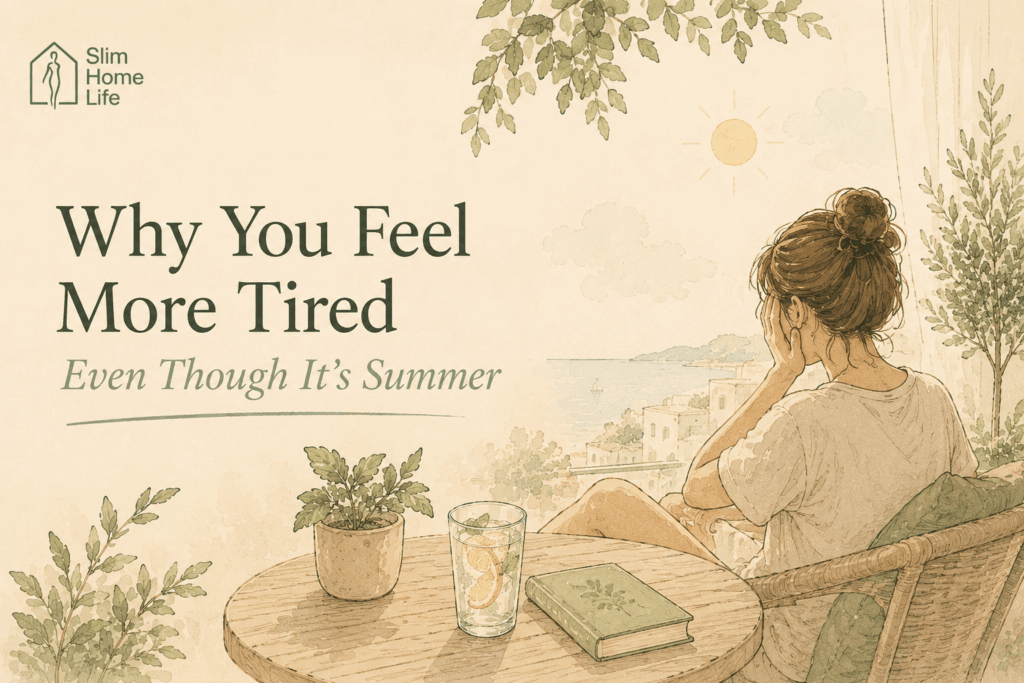
Summer is supposed to be the season of energy. Longer days. More sunlight. More time outdoors. More opportunities to move… More happiness.
Yet many people notice the opposite.
They feel more tired than they did during spring.
Afternoons feel heavier than they should. Motivation drops faster. Workouts feel harder to start. Simple tasks sometimes require more effort than expected. Even afternoon coffee is not helping, and you feel exhausted.
And the confusing part is that this happens during the season that is supposed to make us feel better.
So what is actually going on?
The Problem Is Not Always Lack of Energy
Most people assume summer fatigue means they need more energy. In fact, many summer energy problems have very little to do with energy itself.
They are often caused by something else: less recovery.
Summer quietly changes routines in ways people rarely notice.
Days become longer. Evenings become later. Vacations interrupt schedules. Social events increase. Bedtimes slowly move back by thirty minutes here and an hour there.
All these together create a situation where recovery slowly decreases while activity increases. And eventually the body starts feeling the difference.
Longer Days Often Mean Shorter Nights
One of the biggest reasons people feel tired during summer is surprisingly simple- they sleep less.
Not necessarily because they choose to.
When the sun stays out longer, evenings feel different. People stay outside. Meet friends. Watch another episode. Scroll a little longer before bed. Sit on the balcony because the weather feels too good to waste. Thirty minutes less sleep tonight. Another hour there.
And after several weeks, the effect becomes noticeable. That is why summer fatigue often appears gradually rather than suddenly.
A useful strategy is paying attention not only to bedtime, but also to the hour before bedtime.
People focus on when they go to bed while completely ignoring how they arrive there. A calmer final hour often improves sleep more than forcing yourself into bed earlier.
Your Body Works Harder During Hot Weather
It may sound like a cliché, but that does not make it any less true: heat creates work for the body.
Even when you are not exercising.
Your body constantly tries to regulate temperature. It increases circulation. Produces sweat. Moves heat away from internal organs. Works to maintain balance. All of this requires energy.
That is why many people feel unusually tired after very hot days despite doing very little physical activity. The body has been working all day long.
Instead of fighting the heat, it often helps to work around it. Move important activities earlier in the day. We explored this approach in Easy Morning Movement Routines for Hot Days , where we discuss why moving earlier often feels easier during summer. Schedule walks, workouts, and demanding tasks during cooler hours whenever possible.
You are not being lazy by avoiding the hottest part of the day. You are being practical.
Summer Evenings Often Become Late-Eating Evenings
Summer changes eating habits too. And it is not because we eat lighter foods, as we discussed in Simple Summer Foods That Support Weight Loss , summer eating is often influenced as much by timing as by food choices themselves.
It is the time we are having it. Dinner slowly starts happening later and later. We are having fun with friends, drinking beer, and suddenly it is 9 PM, and we haven’t had dinner yet. And it is too late to start cooking. So we have something fast, on the go.
One time it is not a problem. The issue appears when large meals consistently happen shortly before sleep.
Many people wake up feeling heavy, sluggish, or less rested without connecting it to the previous evening.
A simple adjustment can help. Instead of making dinner the largest meal of the day, try eating more earlier and keeping late meals slightly lighter when possible. That often improves sleep quality without requiring any strict diet.
The Summer Energy Audit
If your energy feels lower than expected this summer, ask yourself three simple questions:Am I sleeping less than I think?, Am I eating later than I think? , Am I recovering less than I think?
Many people discover the answer before they need another coffee, another supplement, or another productivity hack.
People spend the entire summer looking for more energy when what they actually need is more recovery.
How to Recover Summer Energy Without Changing Your Entire Routine
The good news is that summer fatigue usually does not require a complete lifestyle overhaul. Small adjustments often make a bigger difference than everybody expect.
For example, if summer evenings keep getting later, try protecting your wake-up time instead of focusing only on bedtime. Many people sleep better when they keep a consistent morning routine, even when their evenings occasionally shift.
If hot afternoons leave you feeling drained, stop expecting peak performance during the hottest hours of the day.
If late dinners have become common, focus on portion size rather than perfection. A lighter late meal is often easier to recover from than a large meal eaten shortly before sleep.
And if you constantly feel too tired to exercise, lower the goal instead of skipping movement completely. A short walk, a few minutes of stretching, or a quick mobility session can help maintain energy without adding more stress to an already tired body.
We explored this idea further in Micro Workouts: Do They Really Work? , where even short sessions can help you stay active during busy or low-energy periods.
Sometimes the solution is not finding more energy. It is protecting the energy you already have.
Frequently Asked Questions
Why do I feel more tired during summer?
Many people sleep less, eat later, recover less, and spend more time in hot conditions during summer. These changes can gradually increase fatigue even when life feels more enjoyable.
Can hot weather make you feel exhausted?
Yes. The body uses energy to regulate temperature and cool itself throughout the day, which can leave you feeling more tired than expected.
Does sleeping slightly less really matter?
Occasionally it may not. But consistently losing sleep over several weeks can affect recovery, concentration, mood, and energy levels.
Why do I wake up tired after summer evenings?
Late meals, alcohol, heat, screen time, and later bedtimes can all reduce sleep quality and leave you feeling less refreshed the next morning.
What is the easiest way to improve summer energy?
Focus on recovery first. Better sleep, calmer evenings, lighter late meals, and small recovery breaks during the day often improve energy more than simply adding more caffeine.