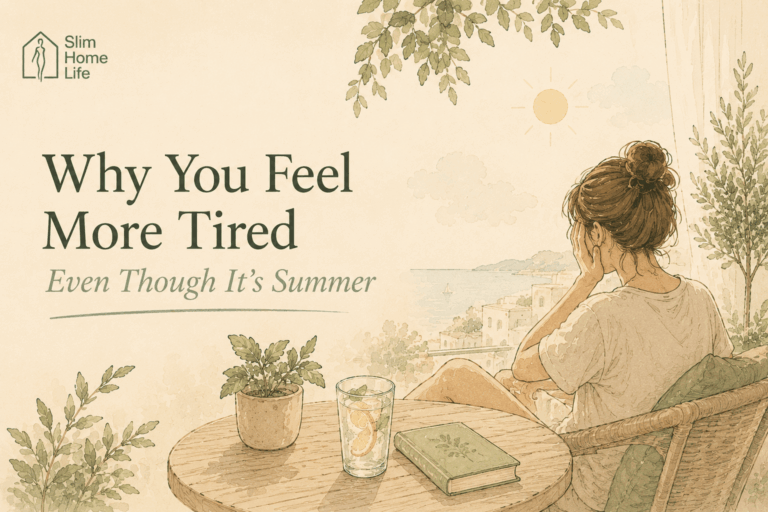
Why Summer Changes the Way We Feel Physically and Mentally
Lots of people notice better mood, more motivation, and higher daily energy during summer without fully realizing how strongly sunlight and outdoor activity affect mental state.
We stay outside longer. Windows stay open later. Evenings feel less like the end of the day and more like a chance to breathe again…
After months of darker mornings and more time indoors, even simple things like walking outside, meeting people, or staying active during the evening often start feeling easier again.
Summer really changes several things at once: sunlight exposure, daily movement, social behavior, sleep rhythm, and the emotional atmosphere of everyday life.
The Effect of Sunlight on Mood and Energy
One of the biggest differences between winter and summer is, of cource, the sunlight.
During colder months, people leave for work in darkness and return home after sunset. Days feel shorter, evenings feel heavier, and the body receives far less natural light. Sunlight affects much more than people usually realize. It plays an important role in circadian rhythm, sleep-wake cycles, alertness, energy regulation, and mood balance.
There is even a condition called Seasonal Affective Disorder (SAD), where reduced sunlight during colder months is linked with lower mood, fatigue, low motivation, and mental heaviness.
Not everyone experiences full SAD symptoms, of course. But many people recognize a softer version of the same pattern: lower energy, less desire to move, more time indoors, and a feeling of being mentally flat.
A very simple summer habit can help: try getting natural light earlier in the day. Even a few minutes on the balcony, drinking coffee near an open window, or stepping outside before work can help the body feel more awake.
Brighter mornings, longer evenings, and more time outside can make the body feel more awake and the mind feel less stuck.
Why Movement Starts Feeling More Natural Again
During winter, movement often feels like something that requires effort before it even begins. Cold weather, darkness after work, mental exhaustion, and long indoor routines make physical activity feel much harder to start consistently.
Summer changes that atmosphere completely. People naturally spend more time outside, walk more without planning it, stay active longer during evenings, and feel less emotionally resistant to movement overall.
The important thing is not to turn every summer activity into a strict fitness goal. Sometimes it is enough to notice what already feels easier and repeat it more often.
We explored this seasonal shift further in Why Summer Is the Best Time to Start Moving More , where longer days, outdoor activity, and lighter routines naturally make movement feel more accessible again.
And once that rhythm starts becoming more natural, structured programs often feel much easier to maintain too.
For people who want a guided approach, our 30 Day Home Weight Loss Program is designed to build on those healthier routines with realistic home workouts, movement, and sustainable daily structure.
We explored this seasonal shift further in Why Summer Is the Best Time to Start Moving More , where longer days, outdoor activity, and lighter routines naturally make movement feel more accessible again.
And once that rhythm starts becoming more natural, structured programs often feel much easier to maintain too.
For people who want a guided approach, our 30 Day Home Weight Loss Program is designed to build on those healthier routines with realistic home workouts, movement, and sustainable daily structure.
We also explored a similar psychological effect in Why Dopamine Matters in Fitness Consistency , where movement and reward signals influence motivation and help the brain repeat healthier behaviors more naturally.
Why Feeling Connected Changes Mental Energy
Summer does not only change how much people move. It often changes how connected people feel.
During colder months, routines can become very closed: work, home, screens, sleep, repeat. Without noticing it, people may spend much less time around fresh air, casual conversations, and spontaneous social contact.
Summer opens that pattern again. Parks, terraces, beaches, outdoor dinners, weekend trips, and longer evenings make it easier to see people, accept invitations, and spend more time outside the usual indoor routine.
This matters because isolation and repetitive indoor days can quietly increase emotional heaviness. Sometimes the mind simply needs more light, more air, more movement, and more contact with the world outside.
Use Summer as a Mental Reset, Not a Perfect Plan
Summer creates a great opportunity for positive change. But do not try to change everything at once. A new workout routine. A new diet. Better sleep. More productivity. More motivation.
All of these goals sound great. The problem is that trying to improve everything at the same time often becomes overwhelming. Instead, start small. Give yourself time to adapt to one new habit before adding another.
This usually works much better than chasing a perfect transformation from day one.
Summer already provides some advantages: more sunlight, more time outdoors, more movement, more social contact, and more variety in daily life.
A practical way to start is choosing one simple summer habit for the next few days.
For example, drink your morning coffee near natural light, spend 10 minutes outside after work, keep one evening screen-free, meet a friend outdoors, or take a short walk when your mind feels overloaded.
Instead of asking yourself how to completely transform your life this summer, ask a simpler question:
“How can I spend a little more time outside today?”
That small change is often enough to start the rest.
Frequently Asked Questions
Why do summer evenings feel emotionally different?
Summer evenings often feel different because the day does not seem to end immediately after work. Longer light, open windows, fresh air, social plans, and more time outside can make the evening feel more spacious and less mentally closed.
Can sunlight really affect motivation?
Yes. Natural light helps regulate circadian rhythm, alertness, and mood-related processes. When mornings are brighter and days are longer, people often feel more awake, more active, and more willing to move.
Why do people feel mentally heavier during winter?
During winter, shorter days, less sunlight, colder weather, and more indoor time can make routines feel repetitive. This can lead to lower energy, less movement, and a stronger feeling of mental heaviness.
Does spending more time outside improve mood?
For many people, yes. Fresh air, daylight, movement, and social contact can all help the mind feel less stagnant and more connected to the outside world.
Can small seasonal changes really affect mood?
For many people, yes. More sunlight, outdoor time, movement, social contact, and less time indoors can create noticeable changes in energy, motivation, and overall wellbeing.
What is the easiest summer habit to start with?
Start with something very simple: morning sunlight, 10 minutes outside after work, more fresh air during the day, or one short outdoor activity you can repeat easily.