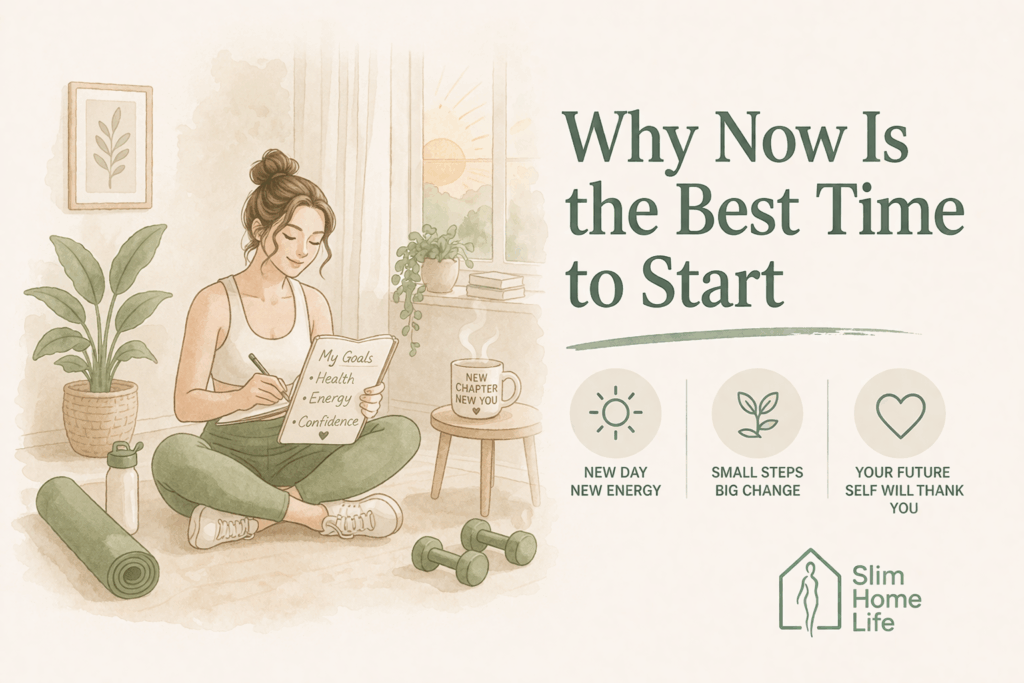
Why Now Is the Best Time to Start
“If not now… when?”
Most people do not delay fitness because they do not care about their body. They delay because starting feels uncomfortable, overwhelming, and exhausting before it has even begun.
After this stressful week. After work calms down. After vacation. After Monday. After one more month. And, of course, from January 1st.
The problem is that life rarely becomes perfectly calm on its own. There is always another deadline. Another busy week. Another reason to wait. Another moment that does not feel ideal. And while you are waiting for the “perfect” time, the body is still living through today.
Waiting Usually Makes Starting Harder
People often think postponing change is harmless. “I will start next week, nothing will happen if I wait few more days.”; “I need to feel more ready, now is not the time.”
But they do not realize something important- waiting has its cost. The longer we wait, the greater the chance that we never start. Energy stays low. Stiffness increases. Confidence drops. Clothes feel less comfortable. Everyday movement starts feeling heavier than it should. And the desire for change- it just fades away.
And that is the real danger. Not only that the body changes, but that starting begins to feel bigger in your mind.
The Five-Minute Rule
Here is one of the simplest ways to begin when you do not feel ready. Commit to five minutes.
Not thirty. Not forty-five. Not a full workout. Five.
You can stretch for five minutes. Walk around the block. Do a few gentle exercises. Move your body before showering. Do a few squats while dinner is cooking. Put on music and do something easy.
After five minutes, you can stop if you want. But very often, something changes once the body starts moving. The movement that felt difficult at first suddenly feels easier to continue. You will notice that the hardest part was not the workout, it was crossing the line between thinking and doing.
This is why short sessions work so well for people who constantly postpone fitness. They make the beginning smaller.
We explored this further in Micro Workouts: Do They Really Work? , where short movement can help people stay active even when time, energy, or motivation is low.
The Longer You Wait, the Harder Everyday Life Becomes
For people carrying extra weight or living with conditions such as high blood pressure, prediabetes, or joint pain, waiting rarely makes things easier.
In fact, the opposite often happens. Walking becomes more tiring. Climbing stairs requires more effort, and they simply skip it if possible. Getting up from the floor feels more difficult. Even playing with children or carrying shopping bags starts taking more energy than it used to.
Many people believe they need to lose weight before they can start exercising. But somehow, even knowing their health condition, starting the change is very hard.
Actually gentle movement is often part of the solution, together with healthier nutrition. Many people postpone healthier eating because they believe they need the perfect diet. In reality, replacing one sugary drink with water or adding vegetables to one meal today is already a better start than waiting for Monday to change everything.
You begin so your body can slowly become fitter. That is why waiting for “the right moment” can quietly become another year of feeling less mobile, less confident, and more dependent on avoiding activities that once felt normal.
Starting today does not mean training like an athlete. Sometimes it simply means helping tomorrow feel a little easier than today.
Do Not Try to Change Everything at Once
This is where many people fail early. When they finally found motivation and decided to start, and suddenly they want to change everything.
People often try to change everything overnight. They stop eating sugar, cut out bread, decide to cook every meal, train every day, and promise themselves they will never miss a workout again.
And then real life returns. The body feels sore. Motivation drops. The routine starts feeling heavy. The old habits return. And because the plan was too extreme, stopping feels like relief.
A better first month is usually much simpler.
Move a little more. Add more vegetables to your meals. Choose lean protein more often. Cut back on sugary drinks and alcohol. Sleep a little better.
Do not try to rebuild your entire life in one week. Try to make healthy habits feel normal, so you will not loose the motivation after first or second week.
That is also why consistency usually matters more than intensity. We explored this idea in Why Consistency Matters More Than Intensity .
Future You Will Not Save You
A lot of people keep waiting for “future me.” Future me will have more time, will be more disciplined, will finally start properly.
But future you is still you, just one week, one month, or one year later.
If today feels too busy to move for ten minutes, there is a good chance next month will also feel busy. So the sooner you start with something realistic, the sooner future you has something to build on.
So how would looks like if you start today? Starting today does not need to be dramatic. It can look like choosing a short workout instead of waiting for a full hour. This is exactly the approach we use in our 30-Day Home Transformation Program .where the focus is on building realistic habits instead of chasing perfect weeks.
Or do some simple excersizes that you remember from school years. It does not need to be perfect, it needs to be enough for you to begin. You can always build on it later.
Frequently Asked Questions
Why do I keep waiting for the right time to start?
Because starting often feels uncomfortable. Many people wait for more motivation, more time, or a calmer life, but those conditions rarely appear perfectly. Starting small usually works better than waiting.
What is the easiest way to start fitness again?
Start with something so small it feels difficult to refuse. Five or ten minutes of movement, a short walk, or a simple home routine is often enough to break the waiting cycle.
What should I do if I miss a day?
Do not turn one missed day into a full restart. Use the two-day rule: if you missed yesterday, do something small today to keep the habit alive.
Do I need a full workout to make progress?
No. Full workouts can help, but short repeated actions often matter more in the beginning. A small workout you actually do is more useful than a perfect plan you keep postponing.
Why do extreme fitness plans fail so often?
They often demand too much too soon. When the routine becomes exhausting or unrealistic, people stop. A simpler plan is usually easier to repeat long enough to create real change.