Why Your Brain Resists Change (And How to Make It Easier)
Have you ever wondered why change feels so difficult, even when you truly want it?
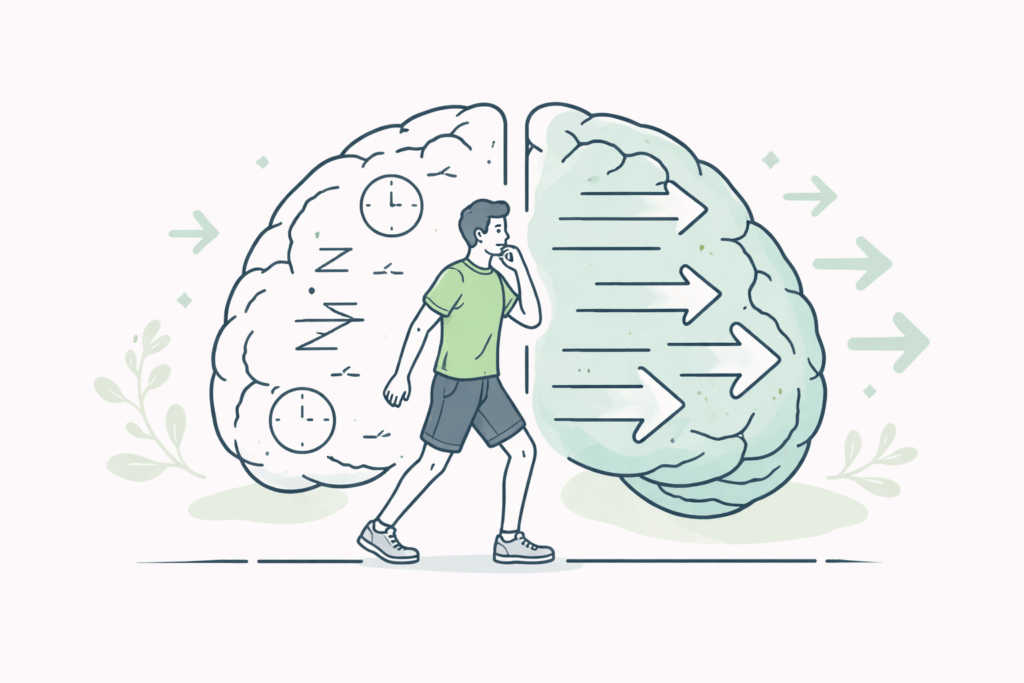
No, change feels difficult not because something is wrong with you, but because your brain is designed to protect stability. What feels like laziness, hesitation, or lack of discipline is often just your nervous system trying to stay within what it already knows.
Understanding this changes everything. When you work with your brain instead of against it, building new habits becomes dramatically easier.
Your Brain Is Designed to Conserve Energy
Next time someone calls you lazy, remember this – it’s not you. It’s your brain.
True. The brain consumes a significant amount of your body’s energy, even at rest. Because of this, it constantly looks for ways to automate behavior and avoid unnecessary effort. Familiar routines require less energy. New actions require more.
This is why starting something new feels harder than continuing something familiar. It’s not about motivation- it’s about efficiency. Your brain prefers what it already recognizes.
This also explains why small daily habits are so powerful. They gradually reduce resistance by becoming familiar patterns.
Uncertainty Triggers Resistance
Your nervous system constantly evaluates safety. Predictable actions feel safe. Unfamiliar actions create uncertainty, even when they are positive for you.
Studies in behavioral psychology show that humans naturally avoid uncertainty and favor predictable outcomes. This is a survival mechanism, not a character flaw.
When a workout feels intimidating, your brain isn’t rejecting fitness- it’s rejecting uncertainty.
Why Repetition Reduces Mental Friction
Each time you repeat an action, your brain strengthens the neural pathway associated with it. Over time, the action requires less mental effort to begin.
This is why the hardest part is often starting. Once movement begins, resistance decreases rapidly. The nervous system adapts through exposure, not intention.
Research on habit formation shows that consistent repetition gradually shifts behavior from conscious effort to automatic routine. What once required discipline begins to require less thought.
Your Brain Trusts Evidence, Not Intentions
As the famous phrase says, “actions speak louder than words”- and your brain agrees. Your brain builds confidence based on what you do, not what you plan. Each completed action becomes evidence of reliability.
This is why even short workouts matter. They strengthen the identity of someone who follows through. Over time, this identity becomes self-reinforcing.
This principle is explained further in why consistency matters more than intensity.
Why Small Actions Feel Safer Than Extreme Ones
Extreme changes create strong resistance because they feel unsustainable. Smaller actions feel manageable. The nervous system accepts them more easily.
A 10-minute session feels achievable. A 60-minute session may feel overwhelming. Both provide physical benefit, but only one is easy to repeat consistently.
This is one of the reasons why home workouts are often easier to sustain. They reduce friction and increase psychological safety.
Environment Influences Behavior More Than Motivation
Your surroundings constantly shape your behavior. Visual cues, convenience, and accessibility all influence whether an action happens.
Behavioral research consistently shows that reducing friction increases follow-through. The easier an action is to begin, the more likely it is to occur.
This is why preparing your environment matters. A ready space removes the need for negotiation.
You can explore this deeper in why your environment shapes your results.
Resistance Is a Signal, Not a Stop Sign
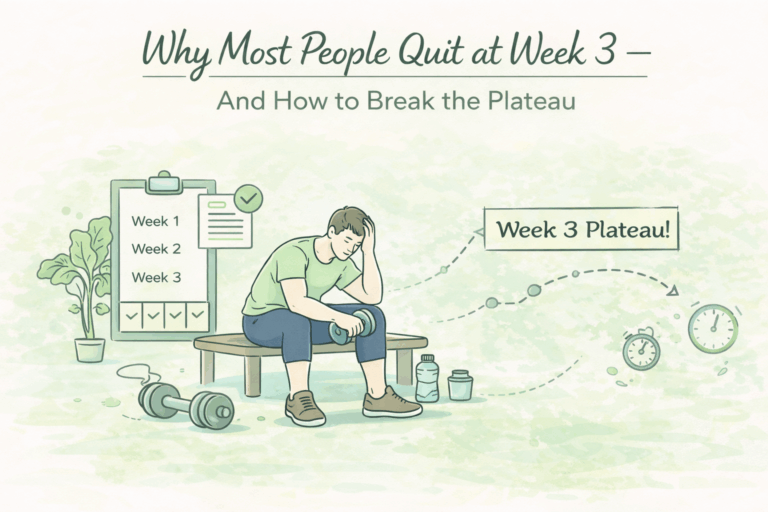
Resistance does not mean you are incapable. It means your system is adapting. New habits initially require conscious effort because they are unfamiliar.
With repetition, they become easier. Eventually, they become automatic.
The goal is not to eliminate resistance completely. The goal is to move through it consistently enough that it weakens on its own.
How to Make Change Easier?
You don’t need more motivation. You need less friction and more repetition.
- Start smaller than you think necessary.
- Repeat the action consistently.
- Reduce environmental barriers.
- Focus on continuity, not perfection.
Over time, your brain adapts. What once felt difficult becomes normal.
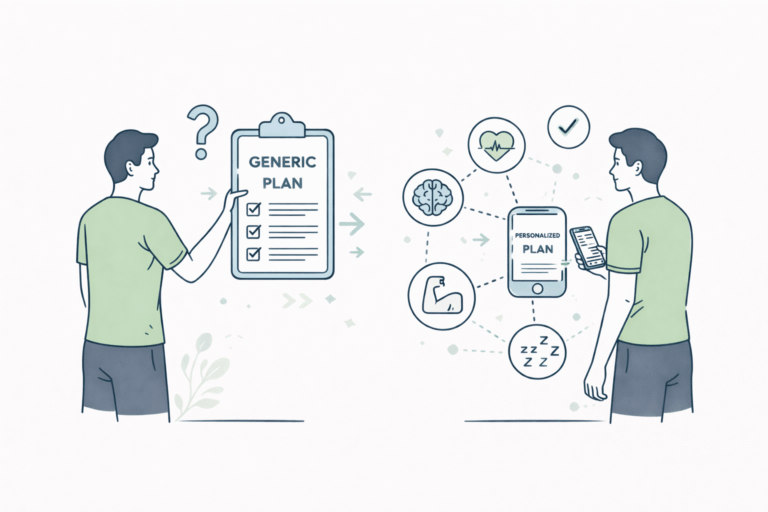
If you want a system designed to work with your brain, not against it, explore the AI Personal Fitness Coach, which adapts to your schedule, energy, and progress.
Or begin building consistency with the 30-Day Home Weight Loss Program, structured around sustainable repetition.