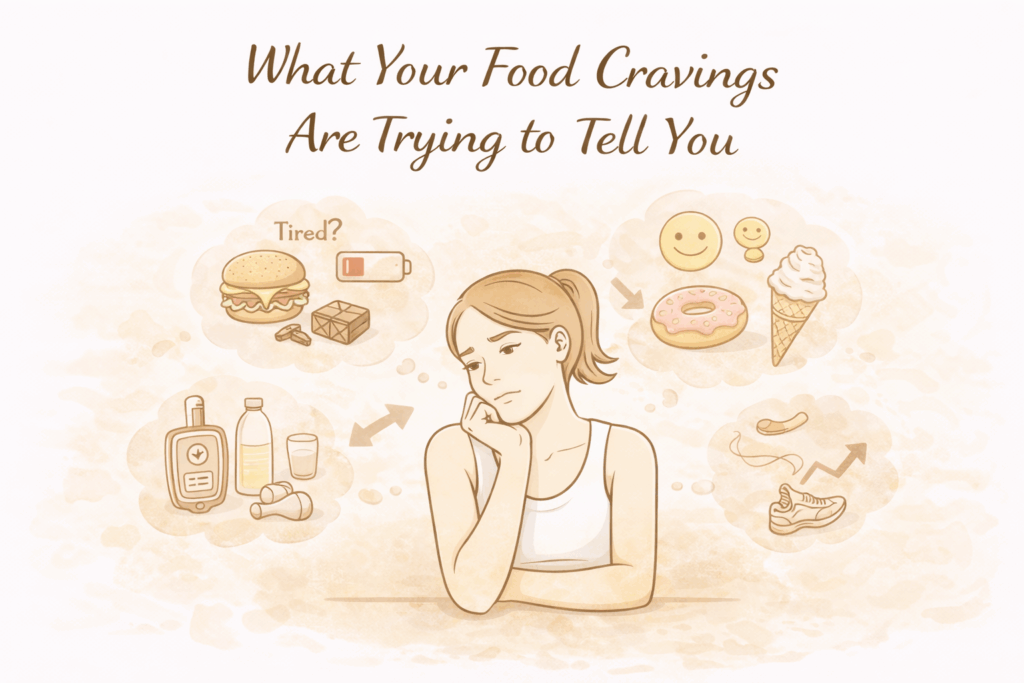
What Your Food Cravings Are Trying to Tell You
Have you ever felt a sudden craving for something specific- chocolate, something sweet, or a salty snack- even when you are not truly hungry? If you are trying to eat better, lose weight, or stay consistent with your routine, these moments can feel confusing.
Food cravings often seem random. But in many cases, they are signals from the body. Sometimes they reflect habits, stress or unstable energy levels. In other cases, they may indicate that the body is trying to restore balance.
Understanding these signals can help you respond more intelligently, instead of relying only on willpower.
Cravings Are Not Always About Willpower
When a strong craving appears, the first reaction is often self-criticism. It may feel like a lack of discipline.
In reality, cravings are often connected to biological signals.
The body constantly regulates energy, hydration and nutrient balance. When something becomes unstable, appetite signals can change quickly.
One of the most common triggers is blood sugar fluctuation. When blood glucose drops, the brain looks for fast energy sources- often sugar or refined carbohydrates.
Sleep also plays a major role. Lack of sleep increases the hunger hormone ghrelin and reduces leptin, which signals fullness.
Stress is another key factor. Elevated cortisol levels can increase appetite and drive cravings for calorie-dense foods.
In other words, cravings are often signals- not failures.
Why Sugar Cravings Often Appear
Cravings for sweets are often linked to unstable energy levels. When blood sugar drops, the body seeks quick fuel.
Sugary foods provide fast energy, which is why they become attractive during fatigue or long gaps between meals. Poor sleep can intensify this effect, making the body rely more on quick energy sources.
This is why stable meals, hydration and sleep often reduce sugar cravings naturally.
Chocolate Cravings and Magnesium
Chocolate is one of the most common cravings.
Dark chocolate contains magnesium- a mineral involved in muscle function, energy production and nervous system regulation. Magnesium plays a role in hundreds of processes in the body. It helps muscles relax, supports stable energy levels and contributes to how the nervous system responds to stress.
When magnesium levels are lower, the body may feel more tense, more fatigued and slightly less balanced. In some cases, this is linked to an increased desire for chocolate.
Of course, chocolate is not the only source of magnesium. But the craving itself can sometimes be a signal that the body needs more support- especially during periods of stress, poor sleep or higher physical demand.
In simple terms, the body is not just asking for chocolate. It may be asking for better recovery, more balanced nutrition or support for the nervous system.
Why You Might Crave Salty Foods
Salt cravings often become stronger during hot weather, after sweating, workouts, long walks, or periods of dehydration.
Sodium plays an important role in: fluid balance, nerve signaling, muscle function and hydration regulation.
When the body loses fluids and electrolytes through sweating, cravings for salty foods can increase surprisingly quickly. This is especially common during:
- summer heat
- intense workouts
- long days outside
- travel
- periods of low hydration
That is why salty snacks suddenly feel much more appealing after exhausting hot days or physical activity. But the craving is not always about needing processed snacks specifically. Sometimes the body may simply need:
- more water
- electrolytes
- better hydration
- more balanced meals
Electrolytes like sodium and potassium help regulate hydration and muscle function. When those levels drop, energy, recovery, and even concentration can feel worse.
Potassium-rich foods can include a lot of well- known and favourite foods, such as: bananas, avocados, potatoes (not the fried once), coconut water and leafy greens.
Here are some helpful habits:
- drinking water regularly during the day
- adding electrolytes during heavy sweating or extreme heat
- eating proper meals instead of only salty snacks
- using mineral water during very hot days
In simple terms, a salty craving may sometimes be less about chips… and more about hydration and recovery.
Why Some People Crave Red Meat
Strong cravings for red meat sometimes appear during periods of fatigue, low energy, or physical exhaustion. In some cases, this may be connected to iron, since red meat is one of the richest natural sources of highly absorbable iron and vitamin B12.
People with lower iron levels often report:
- fatigue
- low energy
- feeling physically weaker
- poor exercise recovery
- stronger cravings for meat
This does not mean every craving for burgers or steak is caused by iron deficiency, of course. But the body may be responding to low energy availability or reduced nutrient intake over time.
Iron-rich foods are:
- lean red meat
- eggs
- beans
- lentils
- spinach
If fatigue becomes persistent or extreme, proper medical testing is always more reliable than guessing based on cravings alone.
Why You Crave Coffee or Energy Drinks When Exhausted
Not all cravings are about food. Sometimes the craving is for coffee, energy drinks, or anything that promises a quick boost of energy.
This often happens after:
- poor sleep
- stressful workdays
- mental exhaustion
- long periods without eating properly
- dehydration
Many people notice themselves constantly thinking: “I need another coffee”, “I can’t function without caffeine today”, “I need sugar and caffeine right now”.
Part of this is biological. Caffeine temporarily increases alertness and reduces the feeling of fatigue. But sometimes constant caffeine cravings are less about “needing energy” and more about the body struggling with:
- sleep deprivation
- unstable meals
- high stress
- low recovery
- mental overload
Dehydration can also make fatigue feel worse, which is why people sometimes mistake low hydration for “needing more caffeine.” The best advice is- before automatically reaching for another coffee or energy drink, it can help to ask: Do I actually need caffeine, or do I need water, food, movement, rest, or a break from screens?
Simple things often help surprisingly well:
- drinking water before another coffee
- eating a balanced meal with protein
- getting outside for fresh air
- taking a short walk
- sleeping slightly longer consistently
- reducing caffeine later in the evening
Coffee itself is not the problem. The problem usually appears when caffeine becomes the main tool for surviving exhaustion instead of supporting real recovery.
Stress Can Trigger Cravings Too
Not all cravings are physical- some are driven by the brain and the way we respond to stress.
When stress levels rise, the body releases cortisol. This hormone prepares the body to deal with pressure, but it also increases appetite and often pushes the brain toward high-calorie foods- best known as emotional eating.
These foods can temporarily increase dopamine- the brain’s “reward” chemical. This is why something sweet or salty can feel comforting in stressful moments. You may recognize this pattern:
- reaching for snacks after a long or stressful day
- craving sweets when feeling overwhelmed
- eating not from hunger, but from tension or boredom
- feeling better for a short time… and then low again
Emotional eating is not about lack of discipline. It is the body trying to regulate stress, using the fastest tool it has: food. The challenge is that this relief is temporary. The underlying stress remains, and the cycle can repeat. Breaking this pattern does not require extreme control. It starts with awareness.
Simple actions can help interrupt the cycle:
- pausing for a moment before reacting
- drinking water
- taking a short walk
- doing a few minutes of movement
- slowing down your breathing
These actions help the nervous system settle, which often reduces the intensity of the craving. Managing stress, improving sleep and including daily movement are some of the most effective ways to reduce emotional eating patterns over time.
The Body Seeks Balance, Not Restriction
Very strict diets can sometimes increase cravings instead of reducing them. When the body experiences restriction, it may increase appetite signals to restore balance. This is why extreme approaches often lead to cycles of cravings and overeating.
In contrast, stable daily habits tend to reduce cravings naturally. As mentioned above- better sleep, balanced meals, hydration and regular movement- all support this balance.
You can explore this further in Why Your Body Needs a Reset (And How to Know When).
How to Respond to Cravings More Effectively
Instead of reacting automatically, take a short pause. Cravings often feel urgent, but they usually pass if you give yourself a moment to step back.
Ask a simple question: What does my body actually need right now?. In many cases, the answer is not the food itself. It is something deeper:
- hydration after a long period without water
- a balanced meal after unstable eating
- rest after poor sleep
- a short walk or movement after too much sitting
- a break after stress or mental overload
When you respond to the real need, the craving often becomes less intense or disappears entirely. This does not mean you have to ignore cravings completely. It means learning to understand them before reacting. Over time, this creates a powerful change. You stop reacting automatically and start responding consciously.
If you want a structured approach that supports energy, movement and balance, you can explore the 7-Day Detox Cleanse, designed to help stabilize your routine through simple daily actions.
Learning to Read Your Body’s Signals
Behind every craving, there is usually a signal- not always obvious, but rarely random. When you begin to recognize these patterns, your relationship with food starts to change. You no longer react automatically. You pause. You observe. You respond more consciously. And that shift matters more than any strict rule or temporary plan.
Because long-term change does not come from control alone. It comes from understanding your body- and working with it, not against it.
And that is where real, sustainable change begins.
Frequently Asked Questions
Are food cravings a sign of something missing?
Sometimes, yes. Cravings can reflect low energy, poor sleep, dehydration or even a lack of certain nutrients. For example, chocolate cravings may be linked to low magnesium, while salty cravings can be connected to electrolyte imbalance. In other cases, cravings are driven by stress or unstable blood sugar levels.
Should I ignore cravings completely?
Not always. Ignoring cravings can sometimes make them stronger. A better approach is to understand what is causing them. In many cases, addressing the root cause- such as hydration, balanced meals or rest- reduces the craving naturally.
Why do I crave sugar so often?
Frequent sugar cravings are often linked to unstable blood sugar levels, long gaps between meals or poor sleep. When energy drops, the body looks for quick sources of fuel, and sugar is the fastest option.
Can cravings be caused by stress or emotions?
Yes. Stress increases cortisol, which can drive cravings for high-calorie foods. This is often called emotional eating , where food is used to regulate stress rather than hunger.
Can cravings affect my workouts?
Yes. Unstable energy levels, poor nutrition and lack of sleep can make workouts feel harder to start and reduce overall consistency. When your energy is more stable, movement becomes easier and more sustainable.
What is the best way to reduce cravings naturally?
Focus on simple habits:
- drink enough water
- eat balanced meals
- sleep well
- move regularly
When these factors are stable, cravings usually become less intense and easier to manage.