5 Simple Ways to Support Your Body’s Natural Detox Every Day
There are days when your body feels heavier than usual. Energy is lower. Digestion feels slower. You may feel slightly bloated, unfocused, or just “off” without a clear reason.
This doesn’t always mean something is wrong. It often means your body is dealing with more than it can comfortably process- food, stress, lack of movement, poor sleep, or irregular routines.
In those moments, the goal is not to “detox” in an extreme way. It’s to reduce the load.
Small, practical changes in your daily habits can help your body regain balance much faster than drastic approaches. If you are not sure whether your body is simply tired or asking for better recovery, you may also find useful: Is Your Body Asking for a Detox? 7 Signs to Watch .
1. Start With Hydration
The human body is made up mostly of water, so it’s not surprising that hydration plays a key role in how it functions.
From circulation to digestion and energy levels, water supports almost every process in the body, including how efficiently it handles waste and maintains balance.
It helps transport nutrients, regulate temperature, support digestion, and assist the kidneys in filtering waste products. Even mild dehydration can make the body feel heavier, slower, and less efficient.
Here are some simple daily habits:
- drink water regularly throughout the day. Coffee, wine and beer, etc. are not count as “water”
- a simple trick is keeping a glass or bottle of water next to your bed. That way hydration happens before your phone, emails, or morning coffee.
- increase water intake after movement or sweating
- notice signs like dry mouth, headaches, or low energy
Hydration is one of the easiest ways to support your body daily, because it affects almost every system involved in balance and recovery.
2. Choose Simpler, Less Processed Meals
Your digestive system works continuously. Highly processed foods, excessive sugar, heavy meals, and irregular eating patterns can increase the workload on the body. On the other hand, simpler meals often feel lighter because they are easier to process and provide more useful nutrients.
This does not require extreme dieting. It means choosing meals that support your body instead of overwhelming it:
- more vegetables and fiber-rich foods– include salads, fresh vegetables, and fruits regularly in your meals
- lighter meals with enough protein — instead of deep-fried foods, choose options like roasted chicken, fish, or eggs with simple sides, such as vegetables or baked potatoes
- less processed snacks and sugary foods– for example, replace chips or heavily salted snacks with raw nuts like almonds or walnuts
- more balanced eating patterns– it’s not just about portion size, but also about how othen you eat. Skipping meals during the day and eating everything in the evening can put additional stress on digestion
Reducing unnecessary digestive load can make a noticeable difference in energy levels, bloating, and overall comfort throughout the day.
3. Movement Helps the Body Avoid “Slow Mode”
One thing many people notice during stressful periods, long workdays, or vacations is that the body starts feeling sluggish. Not necessarily sick. Just slower.
Digestion feels heavier. Energy feels lower. The body feels stiff after sitting. Even simple activities require more effort than usual. This often happens because modern life encourages long periods of inactivity. Hours at a desk, hours in the car, hours on the couch.
Movement acts almost like a reset button for the body. It helps circulation, wakes up muscles that have been inactive, and often improves how the body feels within minutes.
And importantly, this does not require a gym workout.
Sometimes a short walk, a few minutes of stretching, or simply getting up and moving around after sitting for a long time is enough to help the body feel more alert and comfortable again.
We explored this further in Why Movement Actually Creates Energy, Not Exhaustion .
The goal is not burning as many calories as possible. The goal is preventing the body from spending the entire day in “slow mode.”
4. Prioritize Sleep
Sleep is one of the most important, and yet often overlooked parts of detoxification and recovery.
During sleep, the body supports hormone balance, tissue repair, immune function, and cellular recovery. The brain also clears metabolic waste more effectively during deeper sleep stages.
Poor sleep can disrupt these processes and make the body feel more stressed, foggy, and low on energy. Improving sleep does not have to be complicated:
- go to bed at a more stable time
- reduce bright screens before sleep
- avoid heavy meals too late at night
- create a calmer evening routine
Better sleep often leads to better energy, lighter digestion, improved mood, and a stronger sense of balance.
5. Reduce Daily Overload
This is where things become a bit more challenging.
Adding healthy habits is usually the easy part. Drink more water. Eat better. Move more.
Reducing what constantly drains your body is often much harder. Because overload rarely comes from one big thing.
It usually comes from dozens of small things happening every day without us noticing. Constant notifications. Eating while working. Never fully switching off. Rushing from one task to another. Going to bed mentally exhausted but still scrolling on the phone.
Over time, that constant pressure starts affecting how the body feels. Energy becomes less stable. Recovery slows down. Digestion feels heavier. It becomes harder to feel rested, even after sleep.
That is why supporting your body is not always about adding more healthy habits. Sometimes it is about creating a little more space.
A quieter evening. A proper lunch break. Ten minutes without screens. Finishing the day without feeling constantly rushed.
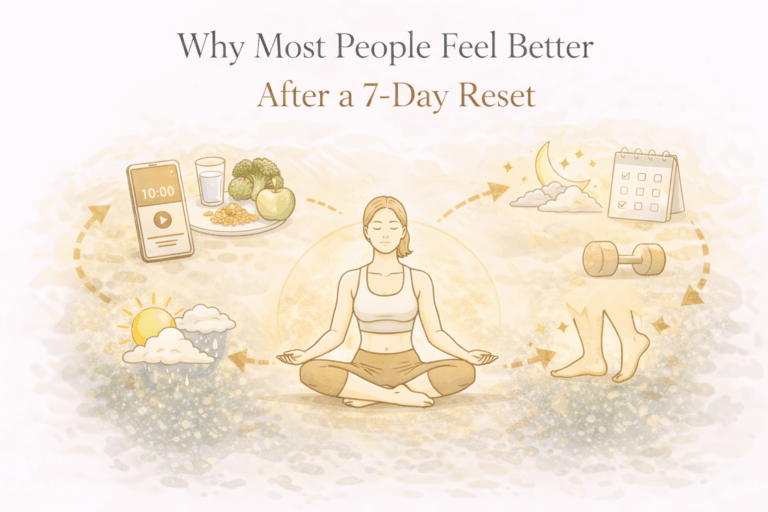
These changes often help the body recover far better than people expect. If you have ever noticed how quickly your body responds to better conditions, we explore this further in Why Most People Feel Better After a 7-Day Reset .
What Actually Makes the Difference
Feeling better is not about adding more. It’s about removing what constantly weighs your body down.
Better hydration. Simpler meals. Regular movement. More stable sleep. Each of these supports your body in a direct, practical way.
When those elements are in place, things start to feel different- lighter digestion, clearer thinking, more stable energy. That shift changes how you make decisions during the day.
You begin to notice what helps you feel good… and what pulls you in the opposite direction. And that awareness is what creates real change. Not strict rules. Not short-term effort. But habits your body can actually work with.
Frequently Asked Questions
Do I need a detox product to support my body?
Not necessarily. Daily habits come first. Hydration, movement, better sleep, and simpler meals often have a bigger impact than people expect. Detox programs usually work best when they support healthy habits rather than replace them.
How much water should I drink each day?
There is no single number that works for everyone. Your needs depend on body size, activity level, climate, and overall health. A practical starting point is drinking water regularly throughout the day and paying attention to signs such as thirst, dry mouth, headaches, or unusually low energy.
Can poor sleep make me feel bloated and tired?
Yes. Poor sleep can affect digestion, hunger signals, energy levels, recovery, and stress hormones. This is one reason many people notice improvements in how they feel after only a few nights of better sleep.
Can stress make me feel bloated and exhausted?
Yes. Chronic stress affects digestion, sleep quality, energy levels, cravings, and recovery. This is one reason people often feel tired, heavy, or mentally foggy even when their diet has not changed significantly.
Is walking really enough to support overall health?
For many people, yes. Walking supports circulation, energy expenditure, digestion, and daily movement. Even short walks throughout the day can make a noticeable difference when repeated consistently.
Why do I feel better after only a few days of healthier habits?
The body often responds surprisingly quickly when hydration improves, digestion becomes lighter, movement increases, and sleep quality improves. While long-term changes take time, feeling better can happen much sooner.
Do I need to follow a strict detox diet?
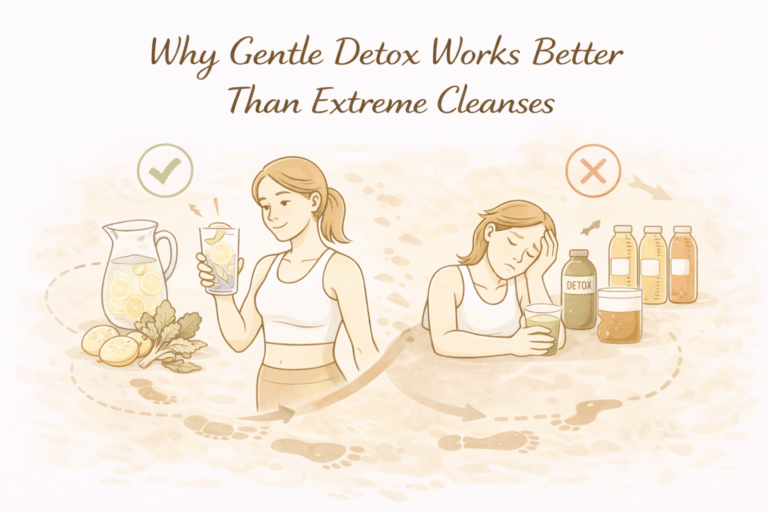
No. Extreme detoxes are rarely necessary and are often difficult to maintain. Most people benefit more from reducing processed foods, drinking enough water, sleeping better, and moving regularly.
What are common signs that my body may need a reset?
Low energy, frequent bloating, heavier digestion, poor sleep, brain fog, increased cravings, and feeling “off” for no obvious reason are all common signs. We discuss this in more detail in Is Your Body Asking for a Detox? 7 Signs to Watch .
How long does it take to start feeling better?
Everyone is different, but many people notice improvements within several days of drinking more water, moving regularly, sleeping better, and reducing highly processed foods.